It’s been two months since my first “What I’ve learned about marketing psychology” check-in, and let me be the first to tell you: The learning hasn’t stopped.
My initial days as a first-time brand journalist covering consumer psychology consisted of getting into the basics. I first had to understand that concepts like marketing psychology do, in fact, exist and that, combined with human behavior, they greatly influence consumer buying decisions.
It’s hard to believe that I’ve soaked up even more knowledge in a mere 60 days, but I’m starting to learn more about different marketing psychology principles and how they translate into the marketplace — and I’m here to share my findings with you.
Here are some of the major themes I’ve noticed so far:
1. Everything’s connected
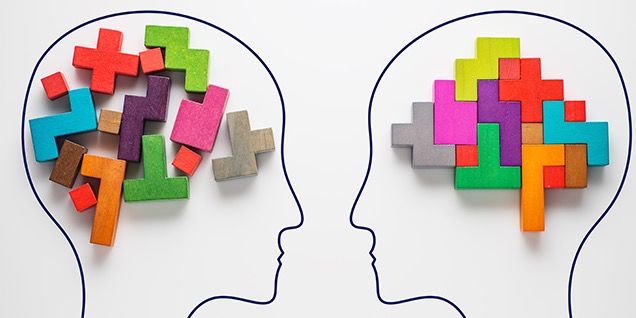
You don’t have to know much about the brain to know that everything in it works together to help the body function properly. Marketing psychology is pretty similar. Every concept — whether it’s anticipation, scarcity, or feelings of urgency — builds on one another to encourage benefits for brands and customers.
For example, a campaign featuring social proof could influence consumers to anticipate a new product release, experience fear at the thought of missing out on it and prompt joy once they finally get their hands on your products. It all depends on the quality of your marketing efforts and the items you sell.
2. Humans like simplicity
Think about it: How many times have you put something off until the next day instead of doing it right then because it felt like the easiest thing to do? Humans like simplicity. For many people, simplicity supports clarity, and the clearer something is, the easier and safer it is for us to engage with.
If there was ever a time to keep things simple, it’s when you’re dealing with consumers. They want their interactions with your brand to be quick and easy.
Promoting simplicity in your marketing content and throughout your brand can be beneficial. Adhering to your consumers’ needs (having a simple interface, being available to answer consumer questions, solving pain points, etc.) will add a sense of ease to their shopping experience, letting them know that your brand is a credible source they can trust in the future. On the flip side, consumers who grow frustrated trying to shop with your brand are more likely to cut ties and find another brand who can meet their needs.
3. Personalization prevails
I remember the first time I heard someone speak about how nice it is to hear another person say your name. I hadn’t really given it much thought before then, but every time after, I noticed how my ears perked up a little more than usual at the sound of my name in conversation.
I also thought about how much I enjoyed seeing things that reminded me of myself or my interests. Those things felt personal to me, and it made a difference in how I interacted with them.
It can also make a difference for your customers.
Personalization is huge in marketing for these two main reasons:
- It gives brands valuable insight into the minds of consumers
- It’s often the difference between a consumer feeling like another source of money for a brand and feeling like their patronage truly matters
When you know your customers inside and out, you’re able to see what they need and make sure they get it. That type of service reflects positively on your brand and can inspire customers to feel great about buying products and services from you; those emotions are based in human psychology, and they have a major impact on customer acquisition and retention.
Marketing psychology is a vast subject with lots of twists and turns, but there’s no doubt in my mind that it’s worth the ride. Buckle up and I’ll be right here, learning with you.
Topics: Consumer Psychology