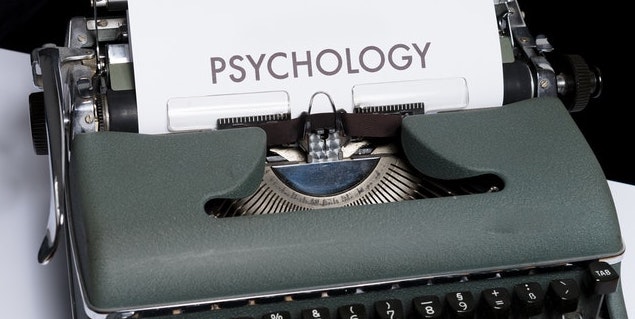
If you’ve stumbled onto this blog, lost and confused, completely unsure of what marketing psychology is, don’t worry. You’ll like it here.
How do I know? I was a lot like you when I started working for Quikly two months ago. My knowledge of marketing psychology only took me as far as my credit card would allow me to go (and when you’re a 23-year-old fresh out of college…well, you get the idea).
Still, I couldn’t help but be a little intrigued by the idea that there was more to my shopping habits than I knew. Sure, a lot of my buying decisions were based on what clothes I liked or what meals I enjoyed, but I soon realized that my psychological makeup was also a factor.
Here are four I’ve learned since working in marketing psychology:
1. Marketing psychology…exists
This might be the most obvious piece of knowledge I’ve gained since my start at Quikly. Who knew there were parts of my brain that reacted powerfully to marketing campaigns if they included aspects of psychology? Certainly not me.
Now, I can spot instances of scarcity, anticipation and other psychological principles within seconds. Writing different blog posts on each of the topics and speaking to experts helped me understand marketing psychology. You can read some of those conversations here.
2. Urgency drives results
When the clock is ticking, immediate action isn’t far.
If you’ve ever wondered why you’re more prone to make a purchase when you see a countdown clock or timer connected to a marketing campaign, you might be glad to know that urgency marketing is the reason.
Learning about urgency marketing definitely helped me justify why I made certain purchases; the sight of a countdown timer or specific phrases can be enough to persuade a customer to make a purchase.
We’ve written tons of content on urgency marketing that you can find here.
3. “Humans don’t trust brands, they trust humans.”
I have James Pardoe, CEO of Grow and friend of Quikly, to thank for this insightful response. When he made the statement above, we were talking about social proof, a concept that details how humans often follow the lead of people they trust when making decisions.
As we spoke, Pardoe began discussing brand humanization and how important it is for businesses to attach human-like qualities to their marketing strategies if they’re interested in building real, long-lasting relationships with their customers.
I’d never given much thought to the idea before, but it didn’t take long for me to realize that I do have a tendency to connect better with companies who treat me like a person instead of a walking ATM machine.
4. It can get a little emotional
Blame it on my zodiac sign (I’m a Pisces!) or my love for connectivity, but I’ve been known to get emotional from time to time. Fortunately, emotion is prevalent in the world of marketing psychology. What I mean by this is that human emotions are what help consumers make decisions.
When we feel positively about a campaign (its incentives, the product or service being promoted, the company behind it), we continue on our customer journey, hopeful about the future. If we feel as though we can’t trust a company or its products, our chances of returning as a customer lower dramatically.
As you can imagine, I’ve learned all of the knowledge above and then some over the last two months. I’d even go as far as to say I’m something of an expert now.
Topics: Consumer Psychology