July 4th exposes a lazy habit in ecommerce. Too many Shopify brands default to a sitewide discount, patriotic creative, and an email burst, then accept the margin damage as the cost of participating.
That play can lift top-line revenue. It also discounts customers who were already ready to buy, conditions your list to wait for holiday pricing, and compresses your brand into the same red, white, and blue template every competitor is using. If paid acquisition is already expensive and repeat customers know your promo calendar, those costs are not abstract. They show up in lower contribution margin, weaker full-price conversion after the holiday, and a brand that feels easier to compare on price.
July 4th deserves tighter promotion design because the demand is real, but the mechanics matter. Shoppers start browsing and planning before the holiday, so this is not a one-weekend event. It is a short seasonal demand curve that rewards operators who segment offers, control exposure, and match the incentive to customer intent.
The tactics in this guide focus on a harder problem than “how do we get more orders?” They address how to capture holiday demand without teaching customers that your store only becomes interesting when prices drop. That means using psychology with discipline. Scarcity can increase action, but fake urgency damages trust. Rewards can raise average order value, but the wrong threshold can squeeze already thin margins. Personalization can improve conversion, but broad discounts often outperform it only because they are easier to launch, not because they are better for the business.
If you need inspiration for timed campaign formats, these July promotional campaign ideas for flash sales are a useful reference point. If you are collecting subscribers before the holiday push, VeeForm discount form templates can help you turn pre-sale traffic into an audience you can reach without paying for another click.
The 10 tactics ahead are built for operators who care about both conversion and brand equity. Each one ties a promotional mechanic to the business risk behind it, then shows where it works, where it backfires, and how to run it in Shopify without turning July 4th into another margin-burning sale.
1. Urgency-Driven Flash Promotions
Short flash promos can protect margin better than a storewide July 4th sale, but only if the constraint is real. A countdown with no operational limit trains shoppers to wait you out. A four-hour offer on a specific collection, a subscriber-only access window, or a capped gift for the first set of orders creates a believable cost to delaying the purchase. That works because loss aversion is stronger than mild discount appeal. Shoppers act faster when they believe an option will disappear, not just get cheaper.
July 4th also rewards timing discipline. Holiday demand builds before the day itself, which gives Shopify teams room to stage the promotion instead of blasting one broad discount to everyone at once. The practical upside is control. You can reserve your strongest incentive for warm segments, protect hero SKUs from unnecessary markdowns, and still create visible momentum across the week.
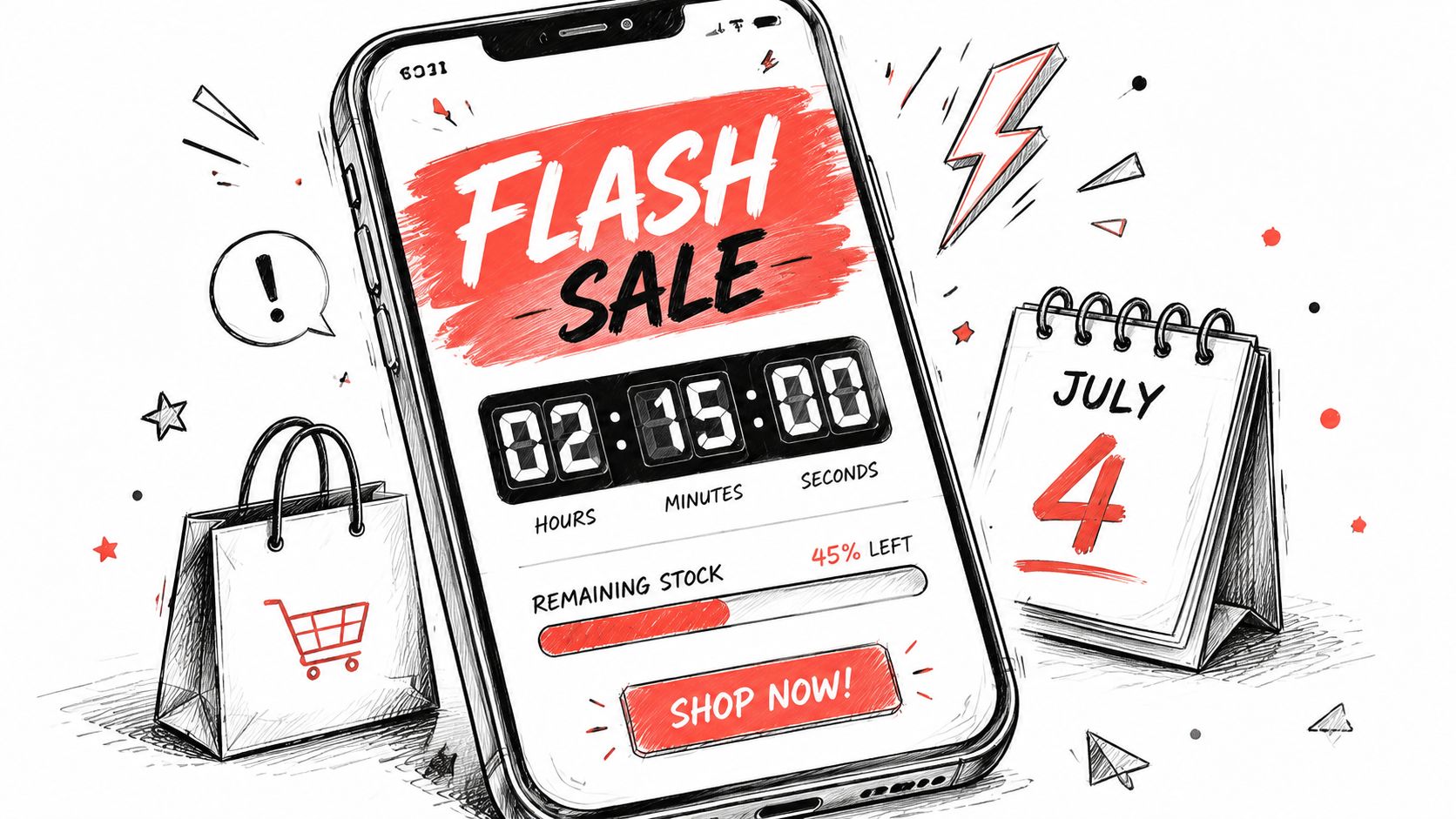
How to keep urgency credible
The goal is not speed for its own sake. The goal is to pull forward demand without teaching customers that your brand is always available at a lower price.
- Constrain one thing clearly: Limit time, access, or quantity. If all three are vague, the promotion reads as theater.
- Use the smallest discount that changes behavior: Free shipping, a gift with purchase, or a threshold-based bonus often does more for contribution margin than taking 20% off a top seller.
- Match the offer to the segment: Early access works well for past buyers. Cart-threshold offers work better for active browsers who need a reason to increase basket size.
- Keep hero products out of the blast radius: Put urgency on selected bundles, seasonal collections, or overstocked variants first.
One caution matters here. Aggressive timers can raise conversion for a weekend and still hurt brand trust if they reset, auto-extend, or appear on every page for seven straight days. Premium and mid-market brands feel this fastest because the customer is not only evaluating price. They are also judging whether the brand acts with confidence.
On Shopify, execution usually comes down to calendar control and merchandising discipline. Set the discount to expire when you say it expires. Build separate landing pages for VIP access and public access. Suppress the offer on products where margin is already tight. If you want a stronger campaign framework, Quikly’s guide to gamified promotion strategies for ecommerce campaigns is useful for pairing urgency with participation instead of relying on a blunt markdown alone. Brands that want to boost conversions with interactive content can also combine a flash window with a quiz, reveal, or gated offer capture before the sale goes live.
A simple rule keeps the tactic honest. If a shopper cannot explain exactly what they will miss by waiting, the urgency is too weak to do real work.
2. Gamified Engagement Mechanics
Most holiday promos ask customers to passively accept a discount. Gamified promotions ask them to do something first. Spin, reveal, claim, access, refer. That small shift matters because earned rewards feel more valuable than automatic ones.
This is the endowment effect in a practical form. Once a shopper feels they’ve won access to something, they treat it as theirs and become more likely to complete checkout. That’s useful on a holiday when everyone else is shouting the same markdowns.
Why interaction can protect margins
A spin-to-win mechanic doesn’t have to mean giving away deep discounts. In many stores, the smarter version mixes low-cost rewards with a few stronger offers. Free shipping, a gift-with-purchase threshold, or early access can create excitement without resetting customer expectations around price.
That structure also creates better merchandising options than a static sale banner. You can route shoppers into collections, category-specific bundles, or launch pages tied to summer use cases.
- Keep reward ranges intentional: Include enough modest outcomes that the economics stay sane.
- Tie the game to action: Require email signup, account login, or add-to-cart behavior before the reward appears.
- Make the creative fit the brand: A playful mechanic works for premium brands too, if the design feels on-brand rather than carnival-like.
For brands exploring this route, Quikly’s perspective on gamification in ecommerce promotions is useful, and broader examples of how brands boost conversions with interactive content can help frame how to present it.
A customer who engages with an offer usually remembers it differently than a customer who merely saw it.
3. Behavioral Trigger Promotions
Calendar-based campaigns are blunt instruments. Behavioral triggers are sharper. Instead of showing everyone the same July 4th deal, you respond to what the shopper already did.
That’s the core difference between more messaging and better timing. A shopper who browsed grill tools twice, added two items to cart, then left is telling you something. A first-time visitor on a collection page isn’t.
Trigger the offer at the moment friction appears
Criteo recommends building campaigns around behaviors and commerce signals rather than demographics in its Fourth of July marketing guidance. That’s the right lens for Shopify operators because buying intent shows up in actions, not customer personas on a slide deck.
Good July 4th triggers often include:
- Browse abandonment: Show a time-bound nudge tied to the product category they viewed.
- Cart hesitation: Offer a smaller incentive or convenience reward when someone stalls near checkout.
- Repeat-buyer logic: Present access, exclusives, or bundle upgrades to customers who already trust the brand.
This tactic works because it uses commitment and consistency. Once shoppers have already invested attention, comparison time, or cart-building effort, a context-aware prompt can help them finish what they started.
On Shopify, the operational challenge isn’t the idea. It’s making sure your triggers don’t overlap and stack into noise. If someone receives a browse message, a cart reminder, and an SMS blast in the same holiday window, relevance disappears fast. Triggered promotions should feel like good timing, not surveillance.
4. Limited Inventory and Scarcity Marketing
Scarcity is powerful when it’s real and dangerous when it’s faked. Shoppers can tell the difference between “only a few left” because inventory is constrained and “limited edition” copy pasted onto a product that never sells out.
That matters more on July 4th because so many brands borrow urgency language without operational backing. If you’re going to use scarcity, build it into product strategy first.
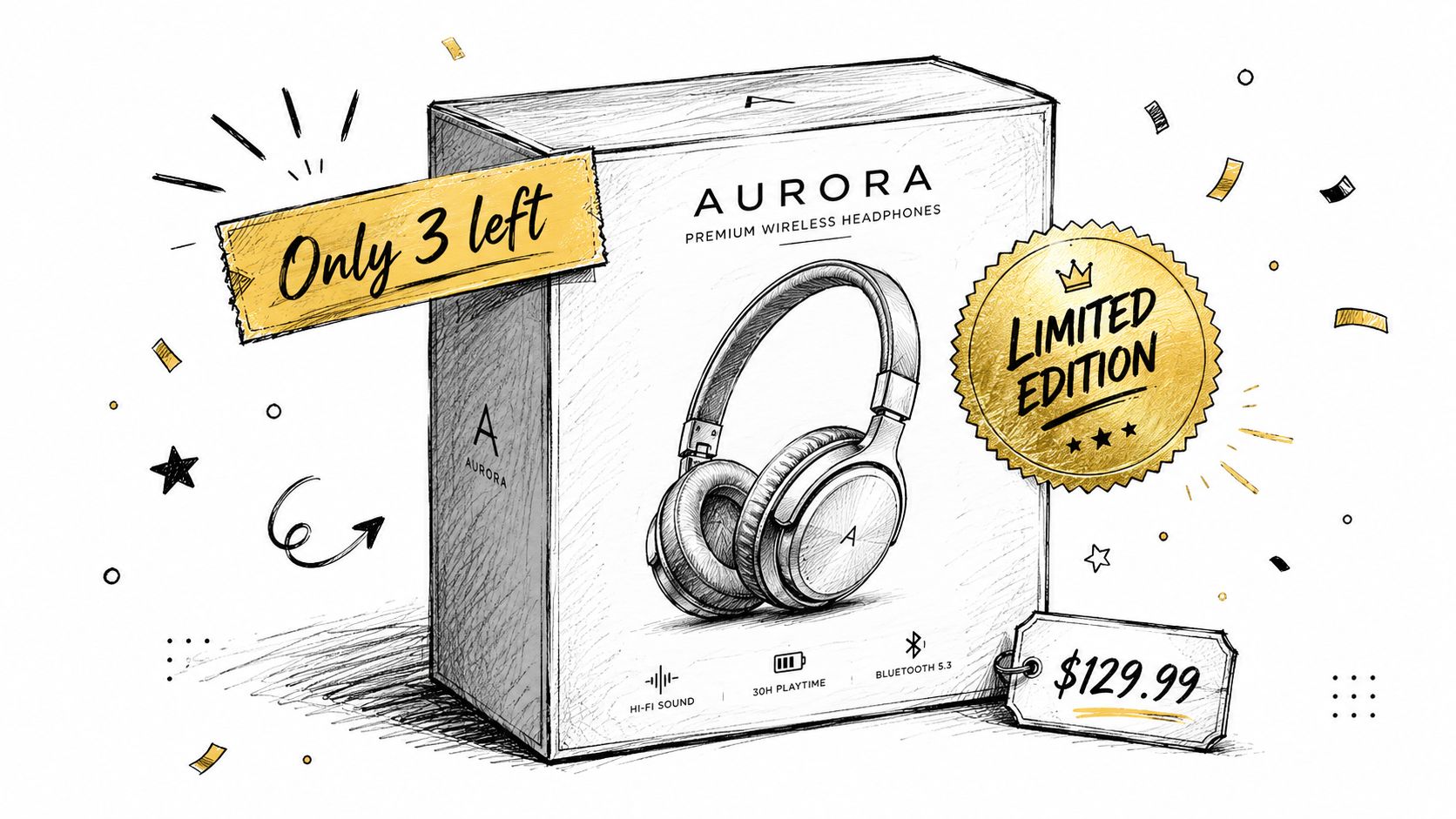
Scarcity works best when tied to a use case
Tegna reports that about 1 in 2 Americans buy snacks for Fourth of July celebrations and 37% buy plastic utensils. That tells you something useful. Holiday demand isn’t abstract patriotism. It’s basket-building around real events.
For Shopify brands, the stronger play is often limited bundles or event-specific assortments. Think hosting kits, grilling add-ons, outdoor essentials, or a short-run collection built for celebration use.
- Limit a bundle, not your whole catalog: This concentrates urgency on the products most connected to the holiday moment.
- Show actual stock when possible: Real counts reduce skepticism.
- Offer waitlist capture on sold-out items: You can turn missed demand into post-holiday revenue or future launch interest.
If you’re working on this angle, Quikly’s article on scarcity marketing mechanics gives a solid framework for the difference between real scarcity and generic countdown pressure.
5. Tiered and Progressive Rewards Programs
A flat sale treats your best customers and your least committed shoppers exactly the same. That’s easy to execute and hard to justify.
Tiered rewards use goal-gradient psychology. People accelerate effort when they can see progress toward a reward. During July 4th, that gives you a better promotional option than “everyone gets the same discount code.”
Turn the holiday into a progression moment
The simplest version is a short bonus-earning period. A better version ties the holiday to status. Existing loyalty members get earlier access, stronger bundle options, or a more attractive threshold reward. Newer customers see a visible path to gain similar treatment later.
Klaviyo advises using recent browse and add-to-cart audiences, channel affinity, and personalized send times to reach high-intent shoppers when urgency is highest in its July 4th campaign recommendations. That same logic applies here. Tiered promotions should follow engagement, not just list membership.
A few practical structures work well:
- Threshold progression: Spend more, receive a better reward rather than a bigger blanket discount.
- Status-based access: Loyalty members get first pick on top bundles or limited items.
- Post-purchase advancement: Reward the July 4th order with visible progress toward the next tier.
If a customer is close to unlocking something, a modest incentive often outperforms a larger generic discount.
This tactic is especially strong for brands that care about repeat purchase behavior after the holiday. You’re not just pushing one transaction. You’re teaching customers that engagement changes what they get.
6. Social and Referral-Driven Promotions
July 4th is a social holiday, which means buying behavior often happens in groups. Families host. Friends coordinate. People compare what they need, what they’re bringing, and where they’re ordering from. That makes referral and sharing mechanics more natural here than during a generic sale week.
The business upside is straightforward. Referrals can lower acquisition waste because the incentive is tied to actual customer advocacy rather than broad paid reach. The brand upside matters too. A referral feels like endorsement, not interruption.
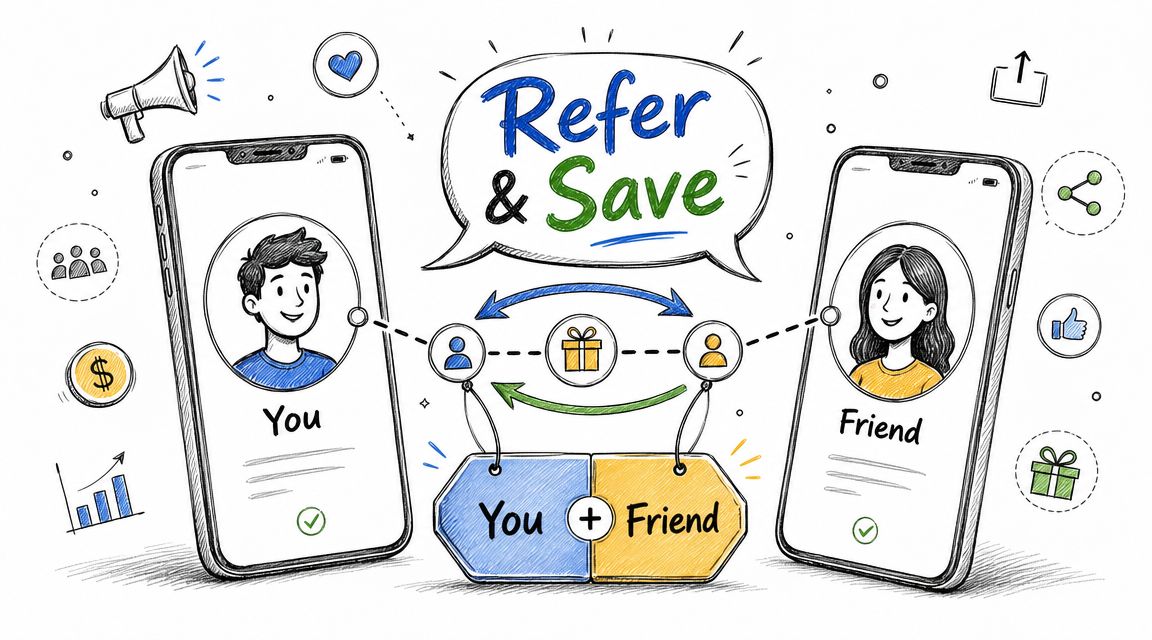
Make the share feel event-relevant
Bad referral campaigns bolt a code onto checkout and call it a strategy. Better ones match the social context of the holiday. Shared bundle picks, host-ready collections, or “bring a friend” access windows fit the moment better than generic give-get discounts.
You can also design the creative around channels where people already share holiday plans and shopping ideas. If your team is pushing social traffic into the campaign, these Instagram posting best practices can help tighten execution.
A few ways to structure it:
- Reward both sides: Shared benefit reduces friction.
- Tie it to the event: “Send this to the person buying the grill tools” is stronger than “refer a friend.”
- Use referral as access: The reward doesn’t have to be a discount. It can be first access to a bundle, product drop, or limited bonus.
This tactic draws on social proof. People trust recommendations from people they know more than holiday ad creative from a brand, especially when dozens of stores are running similar promotions at once.
7. Dynamic and Personalized Offer Strategies
Personalization gets oversold because many brands confuse it with inserting a first name into an email. Useful personalization changes the offer, the product mix, or the timing based on what the shopper is likely to do next.
July is a crowded month for messaging. Attentive reports that brands saw a 27% increase in total sends during July, including a 28% increase in Journey sends and a 27% increase in campaign sends. That channel load is exactly why personalized offer strategy matters. When inbox and SMS pressure rises, relevance becomes a deliverability and conversion issue, not just a nice-to-have.
Personalization should reduce waste
If a loyal customer routinely buys full-price new arrivals, showing them the same sitewide holiday discount you give to cold traffic wastes margin. If a price-sensitive shopper needs a nudge, a threshold reward or limited-time cart bonus may be enough.
A stronger setup usually personalizes one or more of these:
- Offer type: Free shipping, bundle savings, early access, or a small discount.
- Product context: Recommended items tied to browsing history or cart composition.
- Message timing: Send when the customer tends to engage, not when your campaign calendar says everyone should hear from you.
The psychological principle here is processing fluency. Relevant offers feel easier to evaluate. Shoppers don’t have to work to connect the promotion to their needs, which reduces hesitation.
For Shopify teams, the caution is simple. Personalization should simplify the buying decision. If your logic gets too clever, customers won’t understand why they’re seeing what they’re seeing, and the offer loses persuasive force.
8. Bundle Offers and Cross-Sell Promotions
Bundling is one of the most practical July 4th marketing tactics because it aligns with how people shop for the holiday. They’re not always buying one isolated item. They’re assembling what they need for a gathering, a cookout, or a weekend away.
That makes bundles useful for margin protection. Instead of discounting each SKU, you create value through package construction. The shopper feels like they’re getting more. You keep more control over product-level economics.
Build bundles around jobs, not departments
The weak version of a bundle is “buy these three items because we picked them.” The stronger version is “this solves the thing you’re trying to do this weekend.”
Criteo recommends localizing messages with weather-aware and regional inventory cues in the same guidance noted earlier. That’s smart because context changes the bundle itself. A hot-weather market may respond to outdoor entertaining assortments. Another region might care more about hosting essentials or pantry replenishment.
Try structures like these:
- Host bundles: Table setup, serving items, and quick add-ons.
- Grill bundles: Core product plus accessories and replenishment items.
- Choose-your-own kits: Let customers pick from a curated set so the bundle feels useful, not rigid.
Bundle economics usually improve when one hero item carries the intent and the supporting items carry the margin.
On Shopify, bundles also give merchandising teams more room to work across collection pages, cart drawers, and post-add cross-sells. That’s especially valuable if your catalog includes complements that rarely get discovered on their own.
9. Community and Event-Based Promotions
A lot of July 4th creative leans on patriotic symbolism because it’s easy. The problem is that generic holiday imagery doesn’t say much about why your brand belongs in the moment.
Community-based promotions fix that by grounding the campaign in participation. Not performative patriotism. Actual relevance to how your customers celebrate, gather, host, travel, or shop locally.
Relevance beats holiday wallpaper
Timing and localization matter. Klaviyo, OptiMonk, and Lightspeed all emphasize teaser campaigns, flash sales, and multi-day windows over a one-day blast in the guidance summarized earlier. That’s useful because event-based promotions need runway. You want customers to encounter the campaign before their plans are locked.
Local nuance can sharpen the promotion without adding much complexity:
- Regional inventory callouts: Feature products that match local demand patterns.
- Weather-aware messaging: Adjust creative for heat, rain, or outdoor conditions where it makes sense.
- Community tie-ins: Support a local event, cause, or seasonal ritual that fits your brand.
This tactic uses identity and belonging. People respond more strongly when a promotion reflects the way they celebrate rather than treating the holiday as a generic excuse to discount.
A home and lifestyle brand, for example, might center hosting. A consumables brand might focus on weekend prep. An apparel brand might tie the campaign to travel, lake days, or outdoor evenings instead of stars-and-stripes clichés.
10. Exclusivity and VIP Early Access Promotions
Early access is one of the cleanest ways to create urgency without cheapening the brand. You’re not cutting price for everyone. You’re rewarding the customers who are most likely to buy and most worth protecting.
That changes the psychology of the promotion. Instead of “this brand is discounting again,” the message becomes “this brand gives me access because I matter.”
Use access to control both demand and perception
This tactic works through status signaling and scarcity. People value what feels reserved. They also respond to privileges they can lose by waiting.
A practical rollout often looks like this:
- Email or SMS subscribers first: Give your most engaged audience a private shopping window.
- Loyalty tiers next: Let higher-value customers shop before everyone else.
- Public sale last: Open the broad campaign only after the best segment had its chance.
The margin benefit is often underrated. Some VIP shoppers would’ve purchased with less incentive than the public audience. Early access lets you offer value through timing, selection, and exclusivity instead of deeper markdowns.
For premium brands on Shopify Plus, this tactic also helps with inventory management. You can release a limited quantity to high-intent customers first, learn which products move, then adjust public merchandising before the wider push.
Used well, early access doesn’t feel like a trick. It feels like relationship design.
July 4th Marketing Tactics, 10-Point Comparison
| Item | Implementation complexity | Resource requirements | Expected outcomes | Ideal use cases | Key advantages |
|---|---|---|---|---|---|
| Urgency-Driven Flash Promotions | Low–Medium (timers, scheduling, inventory planning) | Moderate (dev for countdowns, email/SMS, marketing ops) | Short-term traffic and conversion spikes; immediate purchases | Holiday peaks (July 4th), limited-time clearances | High immediacy; margin protection vs. permanent discounts |
| Gamified Engagement Mechanics | High (game design, UX, development) | High (engineering, creative, analytics) | Elevated engagement, social sharing, increased retention | Brand engagement, acquisition, loyalty programs | Boosts engagement & zero-party data capture; controlled reward spend |
| Behavioral Trigger Promotions | High (real-time triggers, multi-channel flows) | High (CRM, tracking, automation, analytics) | Higher conversion at intent moments; improved LTV | Cart recovery, welcome offers, loyalty milestones | Contextual relevance; efficient discounting and margin protection |
| Limited Inventory / Scarcity Marketing | Medium (inventory sync, real-time stock displays) | Moderate (inventory management, marketing creative) | Urgency-driven conversions; premium pricing and buzz | Limited drops, exclusive editions, weekend exclusives | Increases perceived value; supports premium pricing and margin |
| Tiered / Progressive Rewards Programs | High (loyalty engine, tier logic, ongoing ops) | High (CRM, fulfillment, communications) | Increased repeat purchases and lifetime value | Long-term loyalty building; seasonal bonus periods (e.g., July 4th) | Encourages repeat behaviour; creates aspirational progression |
| Social / Referral-Driven Promotions | Medium (referral tracking, social integration) | Moderate (platform integration, incentives, comms) | Lower CAC; new customer acquisition via word-of-mouth | Acquisition campaigns, community-driven holiday promotions | Viral growth potential; high-value referred customers |
| Dynamic / Personalized Offer Strategies | Very High (AI/ML, real-time decisioning) | Very High (data infrastructure, ML, engineering) | Higher relevance, conversions and AOV; better margin targeting | Personalized merchandising, VIP segmentation, complex catalogs | Maximizes relevance & ROI; reduces blanket discounts |
| Bundle Offers and Cross-Sell Promotions | Medium (merchandising, checkout rules) | Moderate (catalog management, inventory coordination) | Increased AOV; moves complementary or slow inventory | AOV-focused campaigns, curated holiday bundles | Raises AOV; perceived value without deep item-level discounts |
| Community / Event-Based Promotions | Medium–High (localization, partnerships, event ops) | Moderate–High (creative, local ops, PR/partnerships) | Stronger brand affinity and organic social engagement | Local events, charitable tie-ins, experiential holiday activations | Builds emotional resonance and authentic shareability |
| Exclusivity / VIP Early Access Promotions | Medium (segmentation, staged access, allocation) | Moderate (CRM, targeted comms, inventory holds) | Improved retention and conversion among top customers | Loyalty member previews, subscriber-only July 4th windows | Rewards high-value customers; manages demand and protects margins |
From Holiday Spike to Year-Round Strategy
July 4 exposes promotional discipline fast.
A holiday campaign should produce more than a short revenue spike. It should show which incentives your Shopify store can use without teaching customers to delay purchases until the next sale. That trade-off matters because discount behavior is easy to start and expensive to reverse.
Strong operators treat July 4 as a margin test as much as a demand event. They narrow who gets the offer, shorten the window, and choose mechanics that create perceived value without cutting every SKU. The psychology is straightforward. Urgency, status, progress, and exclusivity can move conversion without training shoppers to expect a blanket markdown every time the calendar gives them an excuse.
That protects more than gross margin. It protects price integrity, list health, and brand position.
The common failure mode is easy to spot. A store runs a sitewide promotion, sends every email and SMS subscriber the same message, and celebrates top-line lift while contribution margin thins out. Then the next campaign underperforms unless the discount returns. The problem is not that promotions stop working. The problem is that shoppers learn the pattern, and once the pattern is obvious, the incentive has to work harder every time.
That is why the mechanics in this guide matter. Flash offers concentrate demand into a short window. Gamified promotions make the reward feel earned, which reduces the expectation of an always-on discount. Triggered incentives improve timing, so you spend margin where intent already exists. Bundles raise perceived value while preserving item-level pricing. VIP access uses status and belonging, which often cost less than another percentage off.
The operational question is simple. Which orders are you trying to create, and which orders are you accidentally subsidizing?
On Shopify, that answer shows up quickly in repeat purchase behavior, average order value, and how often paid traffic converts only when a visible offer is attached. Holiday planning should sharpen that view, not blur it. If a promotion cannot justify itself in margin terms or brand terms, it is noise with a cost center attached.
July 4 is also a useful proving ground for the rest of your calendar. If early access outperforms markdowns for returning customers, retention strategy should reflect that. If bundles move more units and hold margin better than single-item discounts, merchandising should keep that pattern after the holiday. Good campaigns leave behind reusable operating insight.
Quikly is one example of a Shopify app built for behavior-based promotional experiences instead of mass discounting: https://hello.quikly.com
Use the holiday to test promotional mechanics that create demand without weakening the brand. The best July 4 campaigns leave you with cleaner signals, healthier margins, and more customers willing to buy again at full price.
Topics: Holiday Marketing, shopify marketing, july 4th marketing tactics