When it comes to giving their time, customers are often in short supply. They want to “get in and get out” with their products and wallet intact. But one brand has mastered the art of getting customers to visit and take their time in the store.
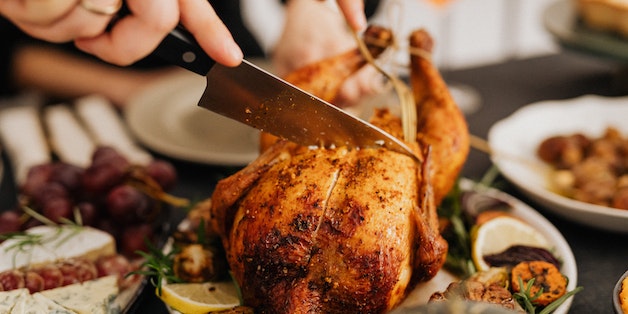
Costco Wholesale has garnered quite a name for itself thanks to its affordable prices and wide range of “buy-in-bulk” products. But perhaps its most savvy marketing strategy comes in the form of a three-pound rotisserie chicken.
Joel Lutfiyya, founder of browndogadvertising, a marketing agency offering business growth solutions, talked to us about how Costco leverages consumer excitement, convenience, and low-stake rewards to lengthen the time consumers spend in-store.
More touch points equals more time in-store
Of all the tactics Costco uses to amplify the customer experience, its innovative spin on the wandering eye might be the strongest. Even the most dedicated chicken lovers are bound to see another Costco item before they reach the checkout line. Why? The deli section is located in the back of the store.
Before Costco card carriers can pick up their beloved chicken, they must walk past countless aisles of frozen goods, cleaning supplies and utensils. Not to mention the free samples offered by employees.
“Costco has mastered creating excitement through bulk product selling and sampling. Customers get excited when they’re getting a deal. And they get even more excited when they receive something free. So, Costco has created an environment where customers receive a great deal and free items through samples, thus hitting the excitement jackpot and leading to more customer time spent in stores,” Lutiffya said.
Access to many different products can encourage consumers to explore items they’ve never used or restock a past purchase.
“When the customer is forced to take the long journey to the back of the store, they’re walking past aisles of items they’re likely not searching for at that moment but can’t help but notice and buy on the spot or remember for a future purchase,” said Lutfiyya. “This creates additional touchpoints for Costco to promote various products in-line within the aisles and features found on end caps.”
This is often referred to as the loss-leader strategy. Brands will purposefully price a sought-after item — like a rotisserie chicken — lower than the standard asking price to entice customers. And it works wonders for Costco.
Despite its in-store location, the grocer’s chicken has gained a huge following. Lutfiyya says the payoff of getting a huge chicken for a low price often overrides consumers’ shopping time.
“The inconvenience of walking through the store is often far less than the perceived or actual inconvenience of purchasing a raw chicken and taking it home to prepare and bake for a lengthy amount of time. And consumers often can’t beat the price of an already prepared item like Costco’s rotisserie chicken,” said Lutfiyya.
In short, consumers don’t have to worry about giving more to Costco than they’ll get in return.
And we know that consumers are willing to participate in something if what they want is valuable and the stakes aren’t too high. Even though consumers are careful about where they spend their money and time, Costco has established itself as a valuable partner in the consumer experience.
“Consumers are constantly guarding themselves against spending their limited money and time. That’s why it’s important for retailers and brands to create an environment that consumers want to engage with,” said Lutfiyya. “But, again, going back to what Costco does right by creating an exciting experience with customers by offering product samples and bulk discounts on items, if this wasn’t the case, Costco would not be able to get people in the door and agree to shop there, let alone fork over an annual membership fee.”
For Costco, one underpriced product has greatly benefited the brand and its customers. Getting customers in the door and encouraging them to stay is not only possible but a regular occurrence.