
Once you’ve learned the core principles of consumer psychology, along with its benefits and tactics, you might find yourself ready to start using it. But you might also have more questions about what psychology in marketing campaigns looks like in action and whether it can truly help the bottom line.
Shilpa Madan, assistant professor of marketing at the Virginia Tech Pamplin College of Business, sat down with us to analyze mock urgency-marketing promotions. Together, we examined how brain science can elevate consumer engagement.
Here are the major takeaways:
Intro.
Gone are the days of standard marketing messages consistently gaining consumer attention. Consumers aren’t easily impressed; they’re empowered, savvy and used to frequent brand outreach promising the same “unique” experiences.
Madan says innovative campaigns that reach consumers often leverage four consumer psychology principles: scarcity, competition, agency and simplicity. We’ve outlined them below, by comparing standard promotions to those leveraging consumer psychology.
Scarcity
1. Standard promo:
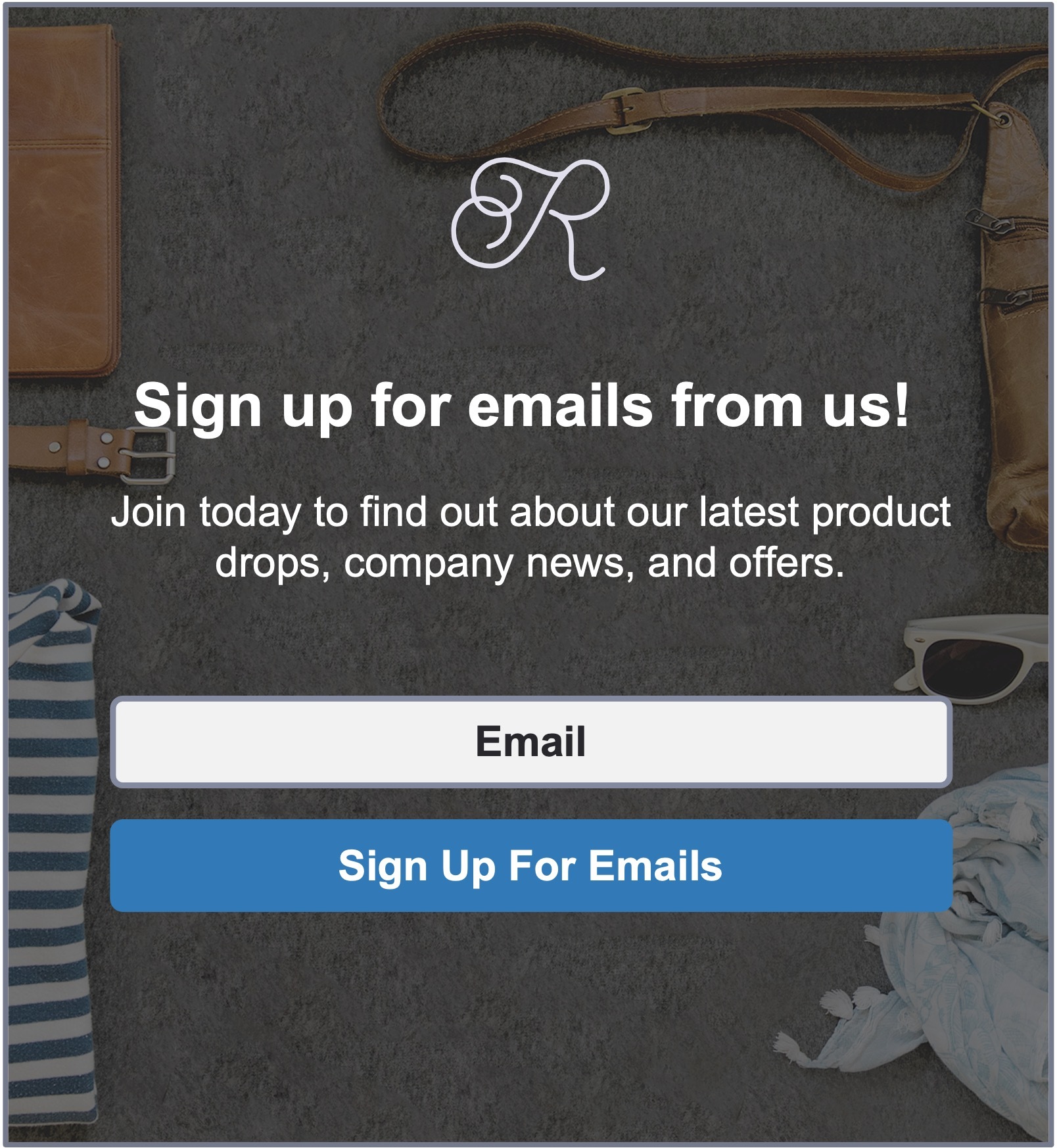
Why this doesn’t work: In the first pop-up, brand “R” invites consumers to sign up for its email list for the latest brand updates. While this is a relatively simple ask, there’s no element of fun, intrigue or urgency. Why should a consumer sign up for emails now if they’ll have time to do it later?
2. Promo with consumer psychology:
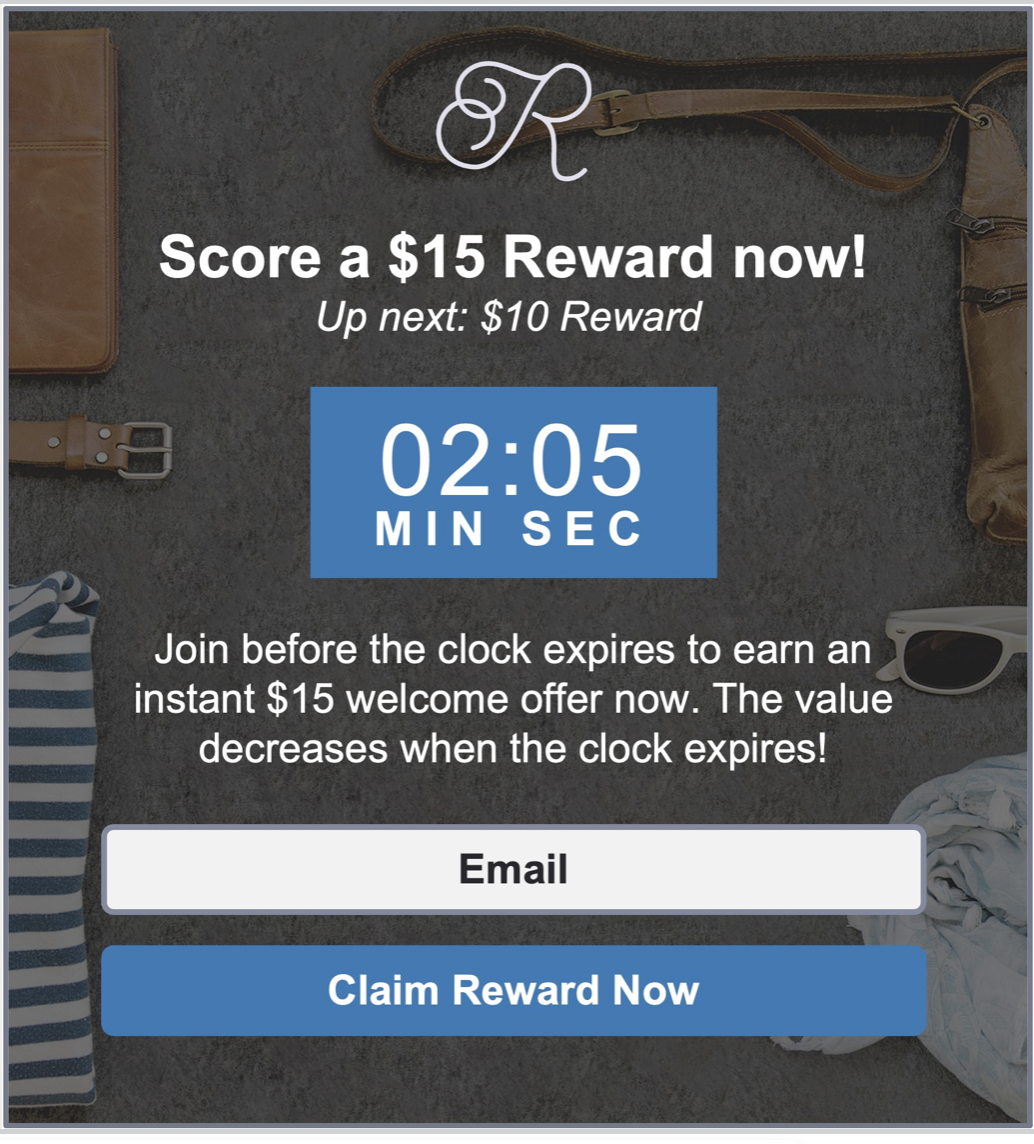
Why this works: This offers a different experience — one that plays on the element of scarcity and rewards them for participating.
“You’re creating a perception of scarcity. These vouchers are precious, they’re not available in an infinite number and will only be available for a finite amount of time,” Madan said. “You can win these vouchers without doing much, just complete a prompt in this set of time.”
2. Competition
1. Standard promo:
Why this doesn’t work: To eagerly sign up for an email list, consumers must have a desire to do so. Unless a consumer is a true brand advocate, simply receiving marketing messages may not be enough to drive engagement. This message is missing a clear incentive that will promote feelings of urgency or interest in consumers.
2. Two promo options with consumer psychology:
****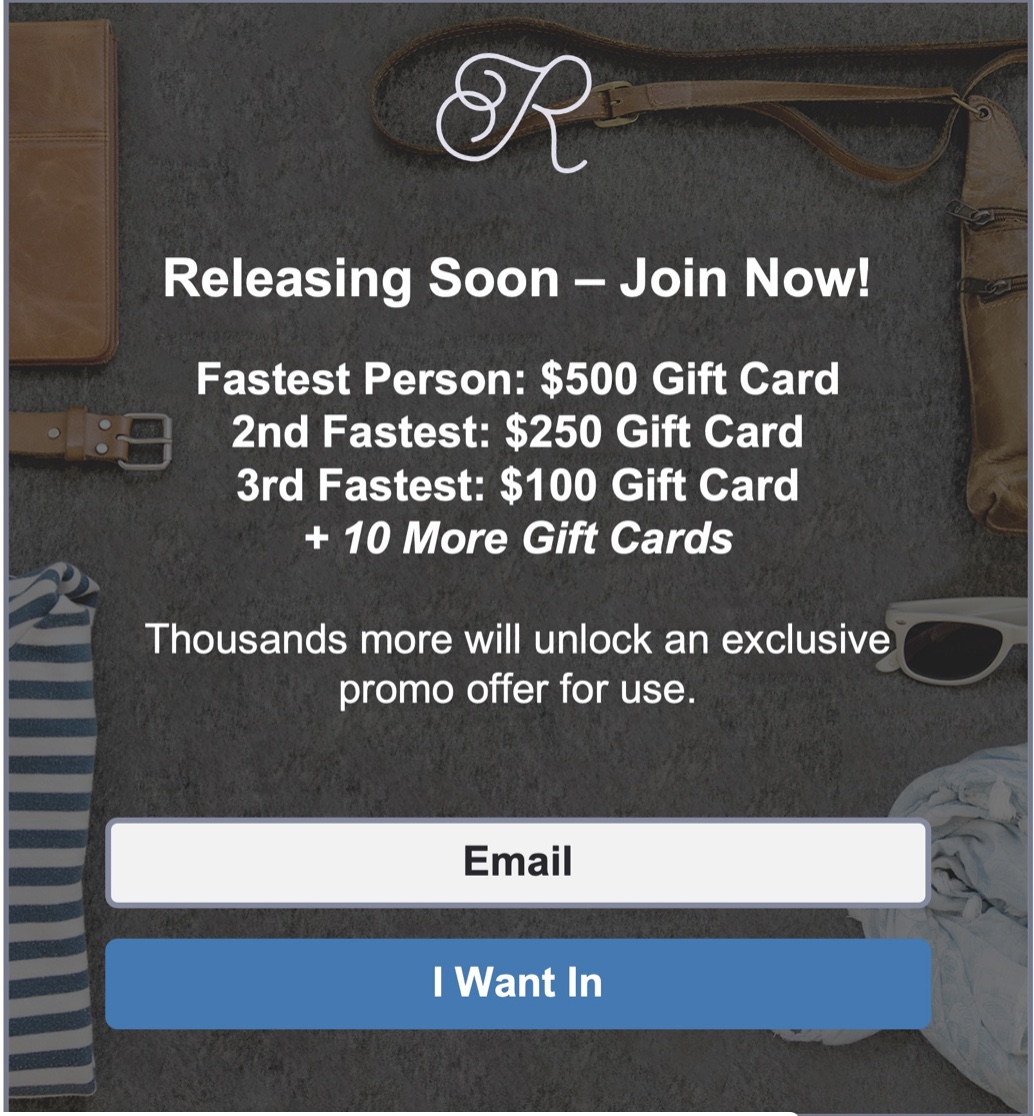
Why this works: Consumers are naturally competitive. Having a goal, completing a task, and doing well are huge selling points for consumers. In both of these psychology-centered approaches, consumers have the ability to compete against a clock to get a fun reward.
“The consumer is in direct competition with hundreds of other people who would want to grab this voucher because it is an enticing prospect,” said Madan. “They’re competing for something that is exclusive and rare.”
The versatility of competition allows consumers to earn various gifts, compete against time or other consumers, and gain exclusive access to rare rewards.
3. Agency/Ownership
1. Standard promo:
Why this doesn’t work: Although consumers will have the opportunity to click the link as they see fit, the unknown specifics of what they’ll receive from “R” — and if the content is worth having — provides them with very little ownership over their experience. Without a valuable incentive or personalized approach, the message doesn’t give consumers everything they’d need to make an informed decision.
2. Promo with consumer psychology:
Why this works: Consumer empowerment is in full throttle mode. Consumers have complete control over what brands they engage with, what brands they avoid and what brands they discourage others from supporting. In other words, being able to make their own choices is not up for debate.
When consumers are presented with the opportunity to claim a reward in the second promotion, their ability to win is solely dependent on their urgency.
“…what works in this campaign is that consumers have the agency to do something about it,” said Madan. “This isn’t a lottery where things are decided randomly; that leads to disinterested consumers [who feel no personal tie to the campaign.] This is where me being the fastest finger first can give me the biggest reward,” said Madan.
4. Simplicity
1. Standard promo:
Why this doesn’t work: While this call-to-action might seem simple, it leaves consumers with more questions than answers, only complicating the consumer decision-making process. Consumers are given little insight into how joining the email list will personally benefit them; the open-ended CTA forces consumers to question if the content they’ll receive from “R” will actually make a difference in their consumer journey or join the hundreds of other emails sitting in their inbox.
2. Promo with consumer psychology:
**
Why this works:** The call-to-action provided in the updated message clearly states what consumers are being asked to do — “click here, receive this.” The incentive is valuable enough to draw interest, without being so high stakes that consumers avoid the request altogether.
“What works in this campaign is that the task is very basic. The consumers aren’t being asked to do something big. Even if they think their odds of winning are low, they aren’t asked to [capture] the moon. They’re just being asked to click a link,” said Madan.
Incorporating consumer psychology into standard marketing campaigns can elevate your brand messages and create more engaged consumers. These four tactics are just the beginning.
Topics: Consumer Psychology, Consumer Promotions and Rewards