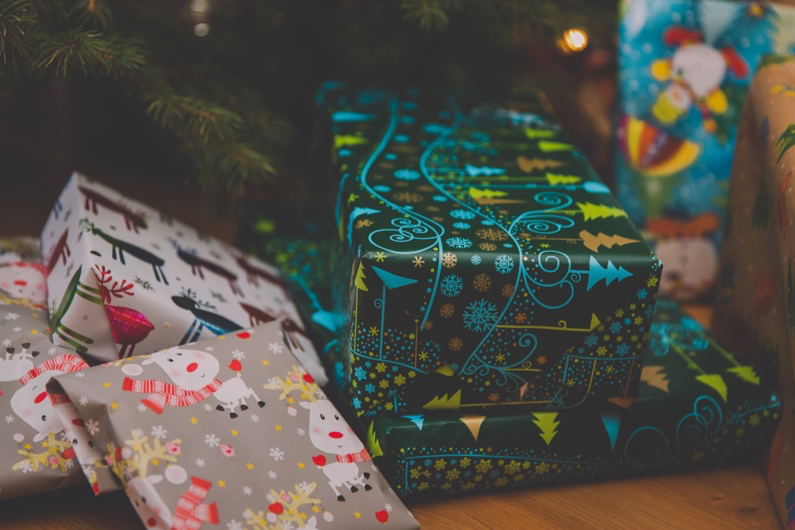
At one point, the average American household spent 2% of their annual income on gifts, according to research cited by consumer psychologist Shilpa Madan. She pointed out just how significant that number was in the grand scheme of spending after explaining that it was actually old data from 2013.
Since spending habits around shopping events like Black Friday have only increased over the years, it’s safe to assume that that number has increased as well.
Madan has a Ph.D. in marketing from Nanyang Business School in Singapore. Her research primarily explores the link between consumption and the pursuit of happiness. After spending years studying consumer psychology, she understands the power purchasing has on a person’s mood.
“Making choices makes people feel empowered and in control,” Madan said. “Everyone likes to feel in control. It’s not even the act of buying. It’s the act of the choice. Shopping, especially online, allows us an opportunity to choose at our convenience.”
Since making choices about purchases can improve a person’s mood by giving them a sense of agency, it’s no wonder why consumers spend so much on gifts.
But to get the biggest bang for your “happiness” buck, Madan suggests buying a certain type of gift: experiences.
Experiences bring consumers happiness
Madan explained that experiences allow consumers to define who they are.
“If you ask someone about items on their bucket list, people will almost always come up with experiences like climbing Machu Picchu,” she said. “They would not say ‘I want to buy a watch or bag’ because experiences are closely linked to our sense of self.”
Additional research states that if a person receives an experiential gift rather than an object, there’s a stronger emotional intensity felt when the activity occurs.
So if you want to give someone a unique gift that comes with a gain in social capital and a good story, Madan suggests giving the gift of an experience for a longer lasting emotional outcome.
Topics: Consumer Psychology