Quikly
← Blog

The changing nature of Black Friday as told by shoppers (with video)

Andrea Gonzales-Paul · December 4, 2019

Black Friday shopper

If there was one thing that was apparent around 2019’s Black Friday, it was the significant amount of money people are continuing to spend.

Black Friday reached a record-high of $7.4 billion from online purchases in the U.S., according to Adobe Analytics

This comes as brick-and-mortar stores saw a 6.2% decrease in sales since 2018’s Black Friday, as reported by ShopperTrak data. Plus, digital sales increased by 14% from last year, Salesforce’s numbers show

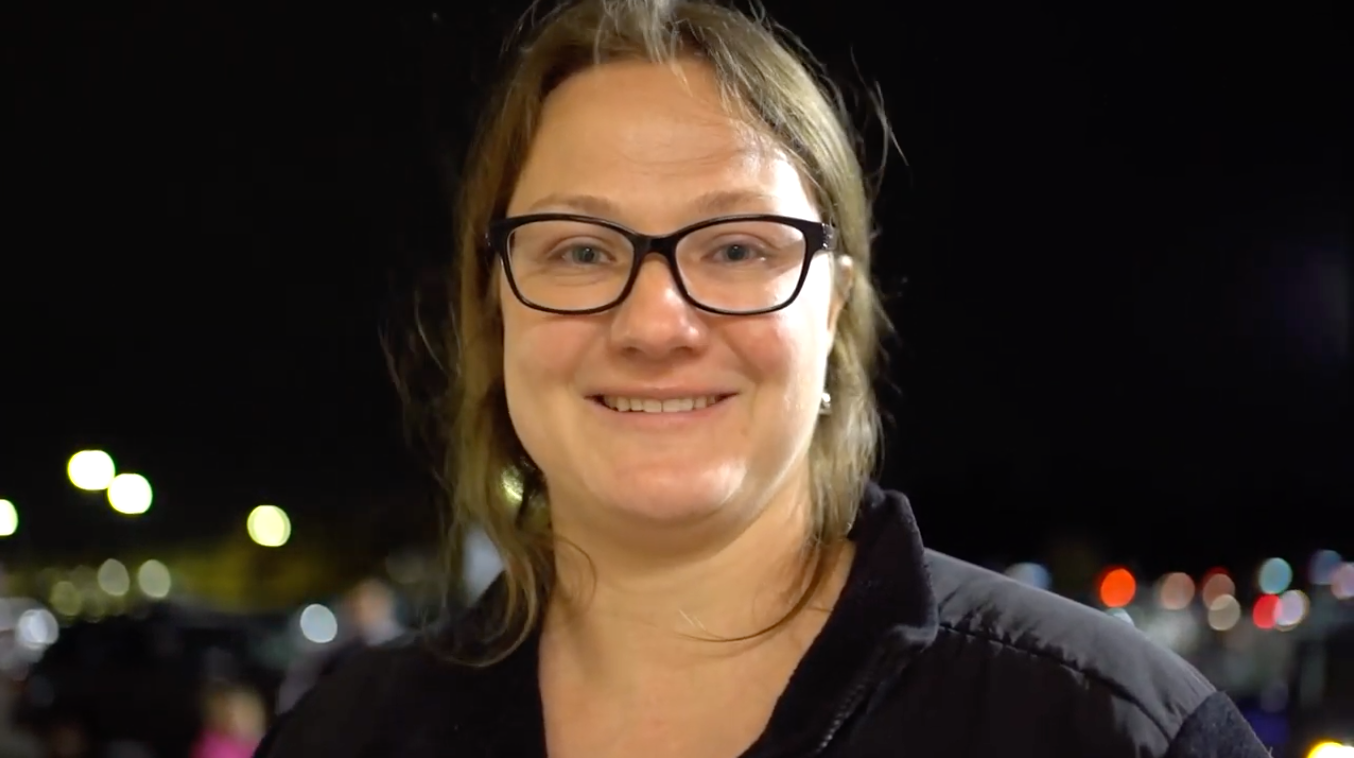
Additionally, consumers in metro-Detroit saw this firsthand as they shopped for deals around Thanksgiving, describing the climate in retail stores as “surprisingly calm.”

One woman recalled a time people ripped items out of her hands because of the “mayhem” and excitement surrounding the in-store shopping experience. Thankfully, she said this year seemed more casual.

Coincidingly, Salesforce data falls in line with what these consumers were seeing. 73% of global digital traffic came from mobile devices, which was an increase from 66% in 2018. 

A self-described Black Friday enthusiast said the lines were shorter than ever before. She said she was able to get to three stores within the first few hours of shopping on Thanksgiving.

Because of the digital climate, consumers are now able to choose when, where and how they buy products, which continues to be profitable for brands.

Notably, consumers who are leaving the house seem to have one thing in common: they are looking for an experience.

“I do think it’s more fun now that there are less lines because now it’s like in and out quicker where you still get the deals so it’s nice,” one shopper said in a Target parking lot after Thanksgiving dinner. “I also like the camaraderie with my family. We all go out together.”

No matter how people are shopping for Black Friday deals, they are spending more while having the ability to choose how they participate.

Keep reading

Consumer PsychologyUrgency Marketingecommerce conversionshopify marketingscarcity marketing examples

7 Advanced Scarcity Marketing Examples to Drive Revenue in 2026

With the average ecommerce cart abandonment rate near 70% and conversion rates often struggling to break 2.5%, the critical gap isn't interest—it's immediacy. Shoppers browse, hesitate, and ultimately leave because there is no compelling reason to act now. This guide moves past basic countdown timers to explore the behavioral science behind effective scarcity marketing.

Mar 21, 2026

Consumer PsychologyUrgency Marketingshopify marketingbrand persona exampleecommerce personas

8 Actionable Brand Persona Example Frameworks for 2026

Stop creating brand personas that gather dust. The average 70% cart abandonment rate and 2.5% conversion rate aren't just numbers; they're symptoms of a disconnect between your Shopify brand and your buyers. This article moves past generic profiles to provide eight actionable brand persona example frameworks designed to drive real revenue. Understanding these detailed profiles is the first step toward effective personalization in marketing , allowing you to craft messages that resonate deeply with specific customer segments.

Mar 3, 2026

Consumer PsychologyUrgency Marketingecommerce conversionshopify saleswhat is scarcity principle

What is the Scarcity Principle? A Guide to Driving Revenue and Protecting Profit

Ever notice how the last slice of pizza at a party suddenly becomes the most desirable? When the box is full, people grab a piece casually. But when there's only one left, a strange urgency takes over. Everyone wants it. That's the scarcity principle in action.

Feb 18, 2026

Don't take our word for it.
See it on your store.

Enter your URL to get a free urgency campaign tailored to your store and goals.